Transforming timeless Hmong fabric artwork into lasting Quilts
Table Of Content
A girl starts to learn embroidery at an early age with her mother. To decorate her own skirts but also other accessories such as waistbands, aprons, baby carriers, collars and purses. Once the hemp plant is harvested and dried out in the sun, the fibers are stripped from the plant’s stalk. Next, the fibers are pounded to soften them, and then the women hand-twisted them into long threads to be woven into coarse cloths.
Hmong Elephant Print, Hmong Art, Hmong Print, Hmong Pattern, Hmong Digital Art.
That changed, she said, when she learned her parents’ refugee stories, and realized how important it was to honor their history through her own art. A common story shared by many elders say that paj ntaub (flower cloth) are the remnants of the Hmong language. Hmong women coded onto clothing their language in order to disguise their stories from their oppressors.
Boho Tote Flash Sales - Atlanta Progressive News
Boho Tote Flash Sales.
Posted: Fri, 26 Apr 2024 19:30:43 GMT [source]
Hmong Pattern Bib and Burp Cloth Set
But currently, she’s most energized by contemporary motifs—from the year 2000 and beyond. She designs modern silhouettes with Hmong textiles, or vice-versa, using Hmong symbols like hearts and swirls alongside rhinestones. Yang then makes clothing pieces that honor that individual person’s beauty and personality. To that end, Lee wants consumers to know that it’s OK to wear Hmong fashions even if you’re not Hmong.
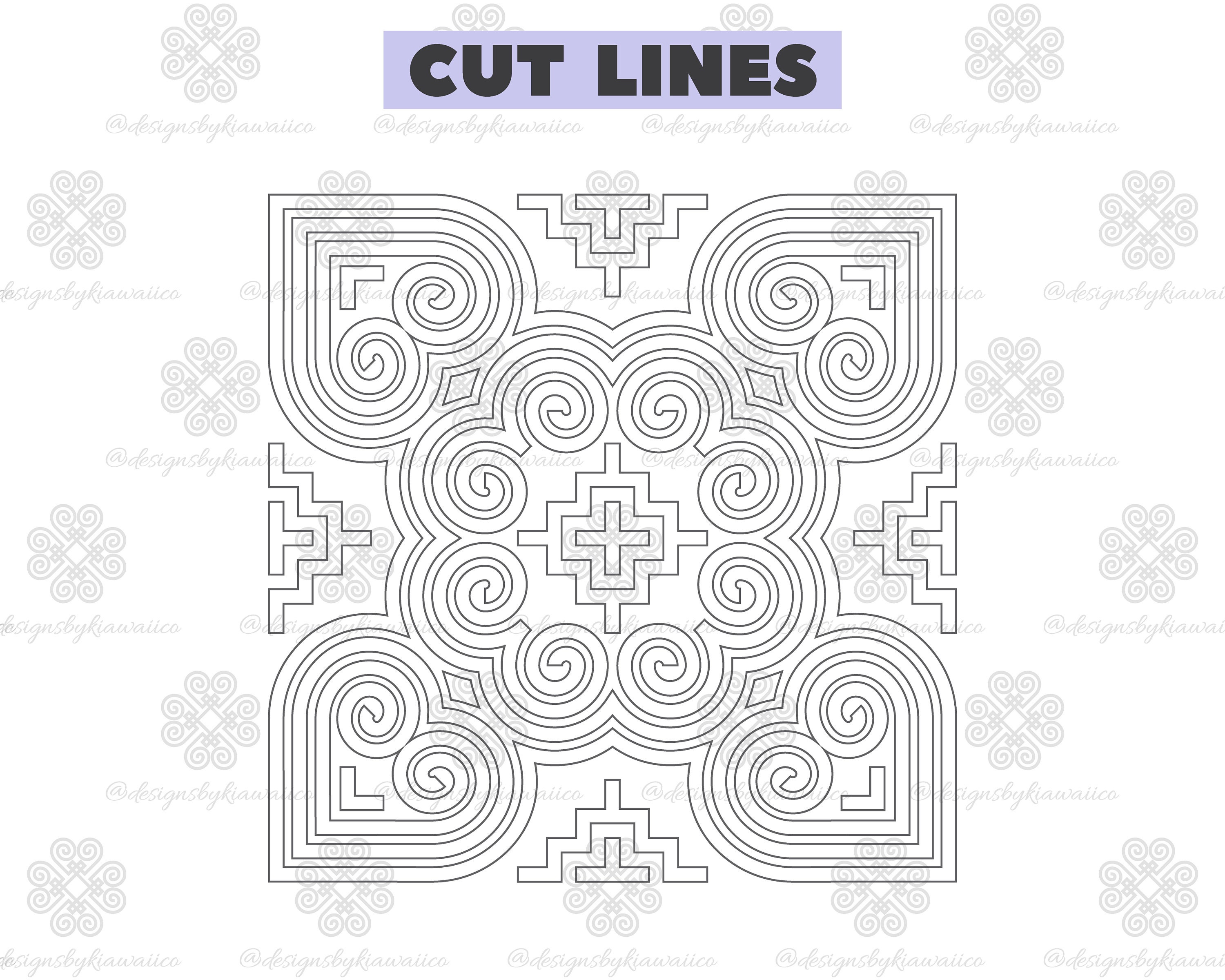
Hmong machine embroidery motif design snail 4 sizes
The Hmong incorporated symbols and figures in their cloths which represented specific events, people, and history in narrative form. These stories were then passed down from generation to generation, primarily through the matriline. The second form of paj ntaub is known as pictorial story cloths or paj ntaub tshiab (pa thou chia), a new type of flower cloth that were created in Thailand refugee camps in the 1970s. A story cloth is a flat piece of cloth with stitching that depicts a theme and often has a geometric border around it. The overall shapes of the story cloths are primarily rectangles or squares. Story cloths are pictorial because they represent Hmong figures, animals, places, and shapes that tell a story with pictures.

In the Thai refugee camps, Hmong people began to sell their Flower Cloths across seas, producing items like bedspreads and purses which were then shipped worldwide. The men in the camp created illustrations for the folktales which represented the traumatic events of their exodus. These traded goods held within their folds the profound memories and narratives of the Hmong’s experiences of war, refuge, and hardship. Hmong embroidery has evolved to include Lao, Thai, Vietnamese, Chinese, and Western influences with the availability of different kinds of fabrics, threads, methods, techniques, and ideas. For instance, when the Hmong first arrived in the United States in the late 1970s, some of the families were initially resettled in Pennsylvania. While residing there, Hmong women learned a new style of appliqué techniques (quilting) from the Amish community.
The overarching term for Hmong embroidery is called paj ntaub (pa thou) and translates to “flower cloth.” Hmong elders said the name was inspired by flowers where the stem, when cut, radiates symmetrically from the center. Hmong women used paj ntaub to make colorful intricate designs for their clothing. Clothes are important to the Hmong people because they identify groups and clans based on the design, style, and accessories. Traditionally, these flower cloths were applied to regalia worn during courtship festivals, baby-carriers, and men’s collars as decoration. Overtime, Flower Cloths transformed into the primary way of communicating Hmong Culture and history between and among the people and over generations. When she used to attend Hmong New Year or other cultural events, she recalled, she would sometimes feel ashamed or embarrassed to wear traditional Hmong clothing.
Cutting a piece of colored cloth into strips, sewing the strips on to a bigger piece of cloth and then embroidering them with various selected motifs. Using two pieces of cloth by putting one on top of the other and cutting the piece above following a chosen pattern. Then sewing them together so that the color of the underneath cloth is visible.
Transforming traditional textile into high quality quilts
Their one story houses have low sloping grass roofs, usually housing more than one generation. Well known for their farming and livestock skills, they practice swidden agriculture, a system that rests the land with a fallow period. The New Year is particularly important to the Hmong, and is celebrated on the 30th day of the 12th lunar month. During this time, the family and ancestral spirits are honoured; and unmarried boys and girls are encouraged to play games together, in the hope of sparking a marital match.
Young brides would spend time making new clothes for everyday wear and New Year celebration clothes, because it is believed that new clothes bring good luck, good health, and prosperity to the family. Furthermore, most girls sew their own clothes for the Hmong New Year’s celebration. They dress up in their best embroidery clothes to be seen in public with friends, and engage in courtship with boys through ball tossing and folk song singing activities.
In Thailand, story cloths were sold at open markets to Western aid workers or sent to relatives in other countries (USA, France, Australia, etc). Story cloths can invite the viewer to empathize and appreciate the experiences of the Hmong people. The stories revealed the essence of humanity by seeking peace only to face wars, escaping tragedy to find a new voice, and seeking shelter and creating new lives for future generations. As the Hmong people continue to adapt and redefine themselves across the world, their stories are stitched onto cloth as memories of their lived history. Embroidery is a sewing technique that uses a needle and thread to decorate the surface of a fabric.
The resultant pieces of quilts are a beautiful combination of cotton segments, patchwork, and traditional indigo linen. “It can be very heartbreaking for some of the ladies [to let go of their family treasures],” he said. Coin purse, pouch, folding clutch or tote bag, which one do you fancy?
After the Vietnamese war, many more Hmong people migrated to Thailand as refugees. However, due to the fact that several had joined the communist party during the war, they were persecuted. To this day, some are still denied citizenship rights, or proper titles to the land they cultivate. While Hmong fashion design is a growing field, Yang emphasized that she also identifies as an American woman, and she is no less influenced by her nationality. Yang describes feeling absorbed by the past—she hopes to be a historian one day.


Comments
Post a Comment